Optimal Timing for Residential Concrete Repairs
Residential concrete repairs are most effective when performed during specific weather conditions that support proper curing and adhesion. Ideal times include dry, mild weather with temperatures between 50°F and 85°F. Avoiding extreme cold or heat ensures the concrete sets correctly and reduces the risk of cracking or other issues.
Spring and fall typically offer the best weather for concrete repairs, with moderate temperatures and lower chances of rain.
Avoid repairs during freezing temperatures or heavy rain, as these conditions can compromise the integrity of the repair work.
High temperatures can cause rapid evaporation, leading to cracks, while cold temperatures slow curing and may cause improper setting.
Low humidity levels aid in proper curing, whereas high humidity can delay setting times and affect finish quality.
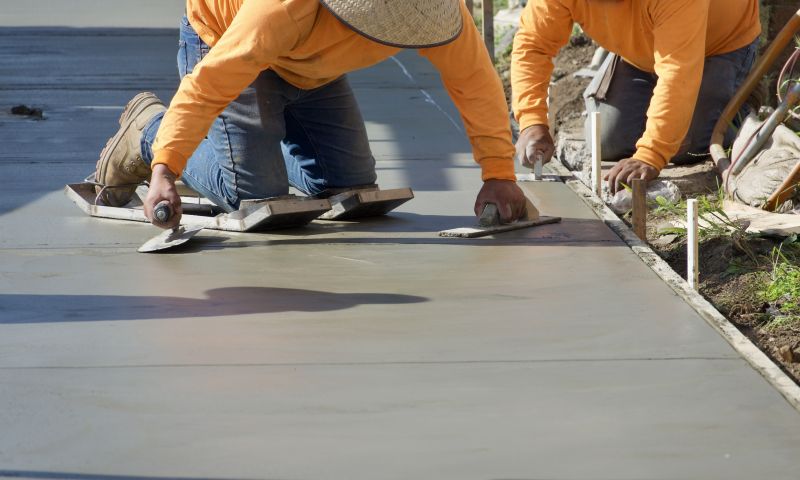
Spring offers moderate temperatures ideal for concrete work.
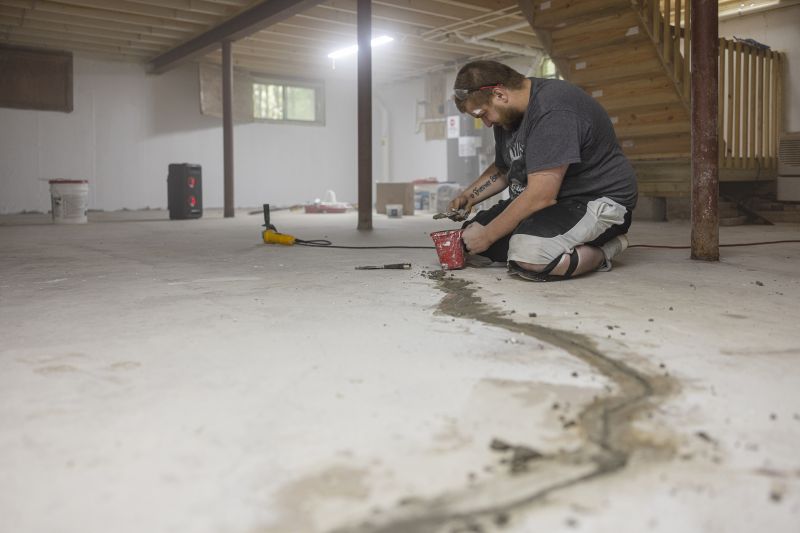
Fall provides cooler weather with less humidity, suitable for repairs.
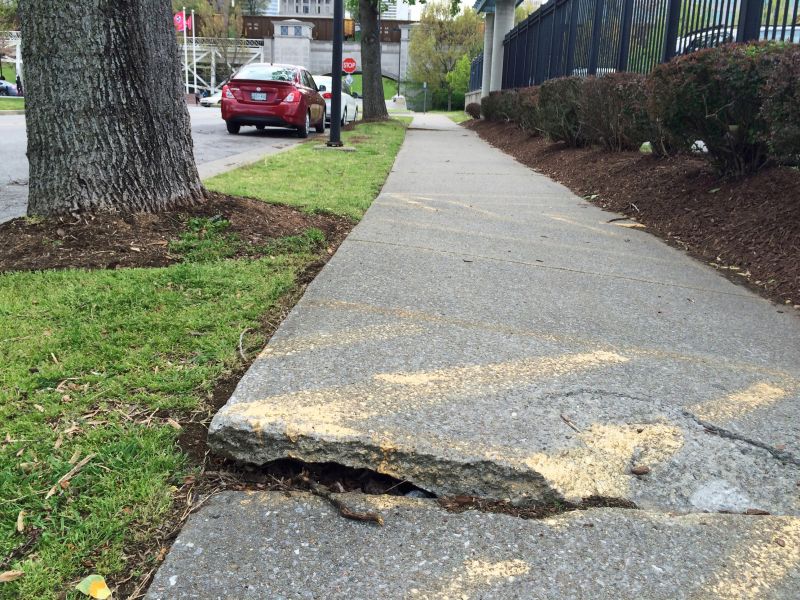
Cold temperatures and frost can hinder proper curing, making winter less ideal for repairs.
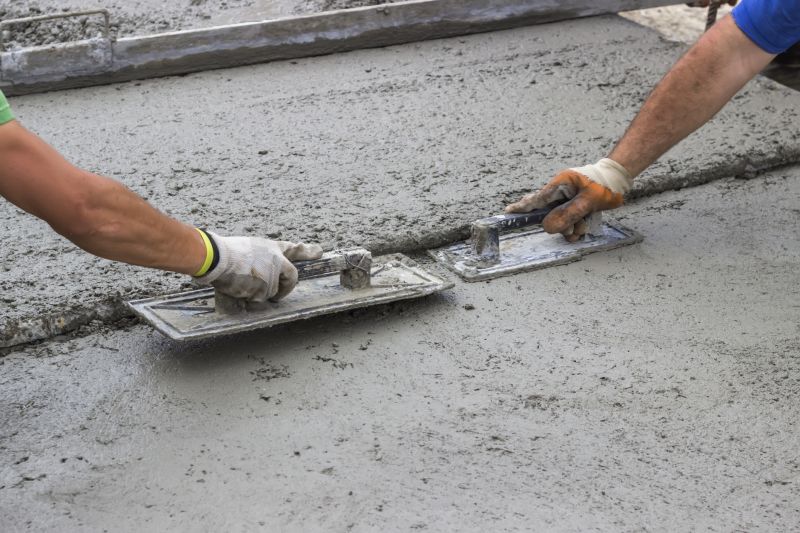
Ways to make Residential Concrete Repairs work in tight or awkward layouts.
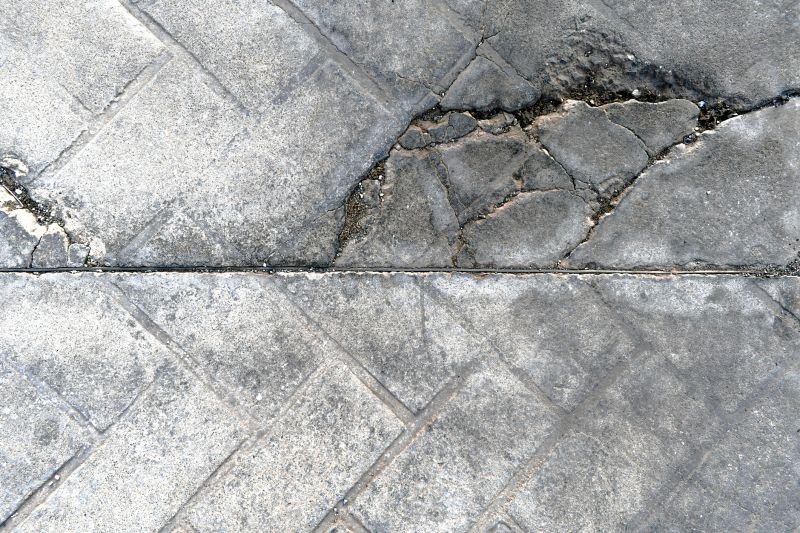
Popular materials for Residential Concrete Repairs and why they hold up over time.
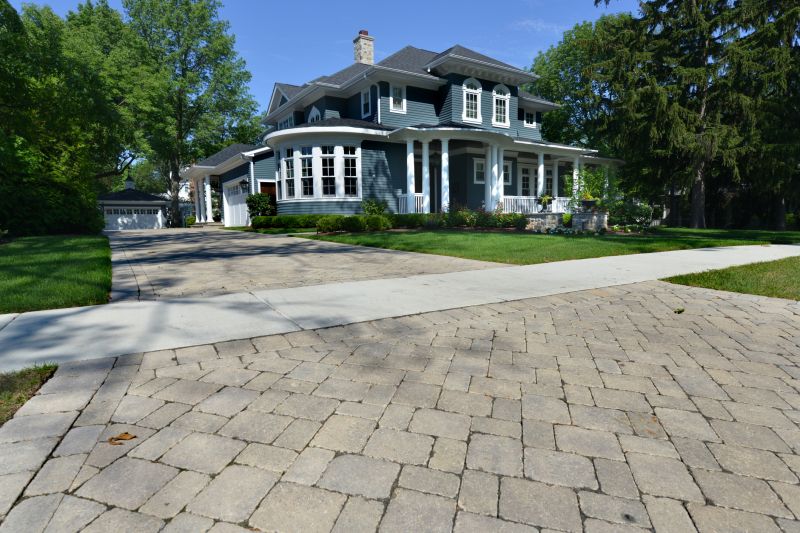
Simple add-ons that improve Residential Concrete Repairs without blowing the budget.
| Season | Advantages |
|---|---|
| Spring | Moderate temperatures and lower rainfall facilitate proper curing. |
| Summer | Longer daylight hours; early morning or late evening repairs recommended to avoid heat. |
| Fall | Cooler weather and lower humidity support durable repairs. |
| Winter | Generally not recommended due to freezing temperatures and frost risk. |
Residential concrete repairs are essential for maintaining the safety, appearance, and longevity of a property. These repairs address issues such as cracking, spalling, or uneven surfaces caused by weather, ground movement, or age. Proper timing ensures the repair materials cure correctly, providing a durable and lasting solution. Regular maintenance and timely repairs can extend the lifespan of concrete surfaces significantly, reducing long-term costs and preserving property value.
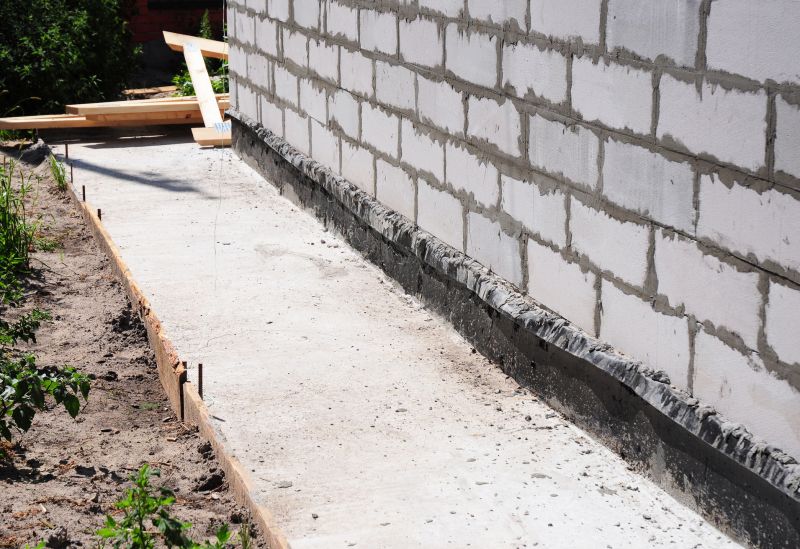
Proper preparation and timing are crucial for effective repairs.
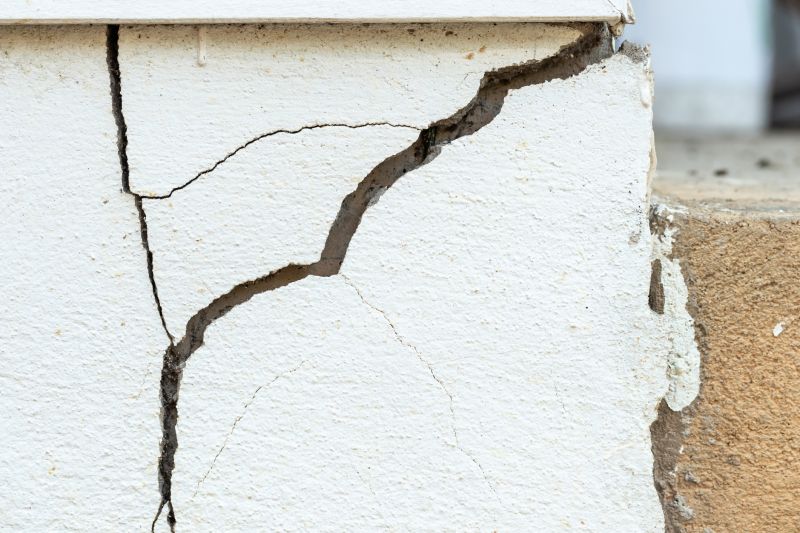
Addressing cracks promptly prevents further deterioration.
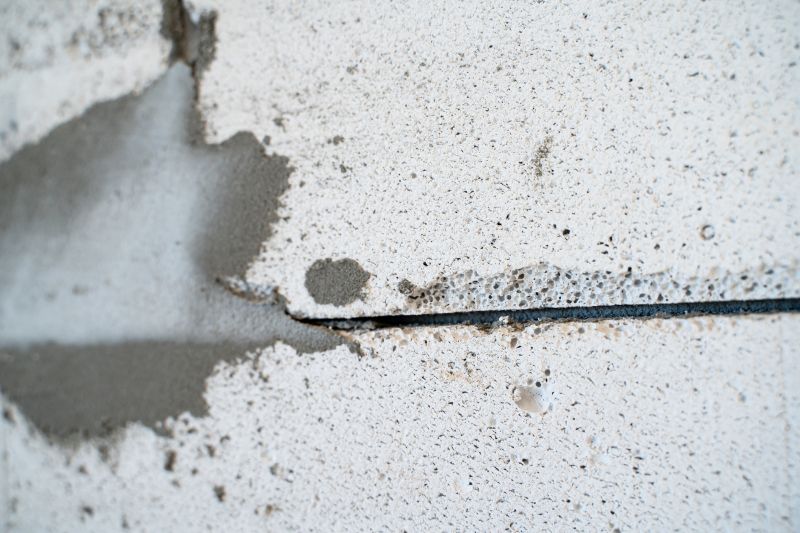
Restoring the appearance and integrity of concrete surfaces.
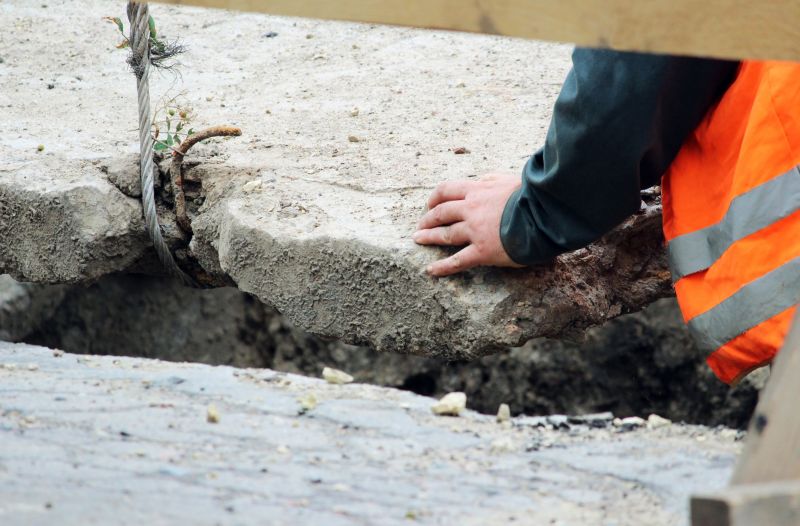
Scheduled repairs help avoid costly future issues.
Interested in residential concrete repairs? Filling out the contact form can provide more information and help schedule a consultation at the most suitable time for your property.